RFID guide
RFID in plain language: tags, radio zones and business events
How a passive tag receives energy, why reads need filtering and when UHF RFID is more useful than item-by-item scanning.
Open the guideGuides · Standards · Deployment
Practical materials for teams planning UHF RFID: understand the technology, prepare a pilot, select tags and readers, design integration and compare project options.
How a passive tag receives energy, why reads need filtering and when UHF RFID is more useful than item-by-item scanning.
Open the guideUse these guides to formulate requirements before a site survey and pilot.
Turn tag reads into receiving, shipping, transfer and return events.
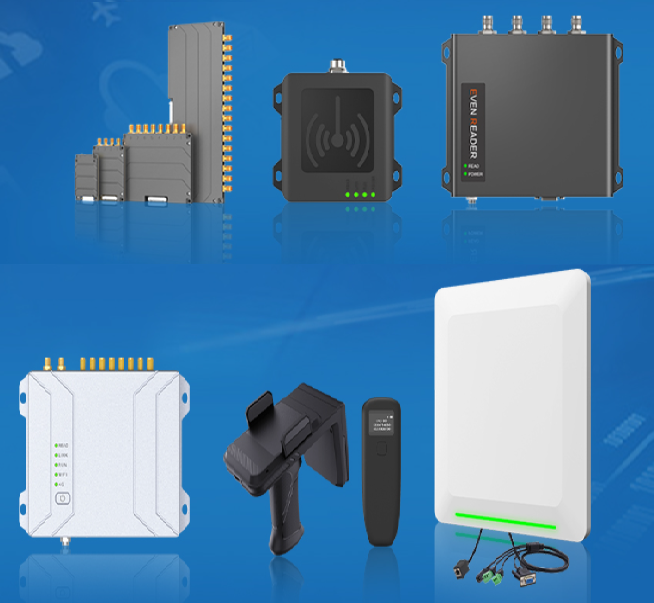
Open the guideDevice types, antennas, zone geometry, power, interfaces and testing.
Open the guideConvert technical reads into reliable events for 1C, WMS or ERP.
Open the guideThe UHF RFID air interface, memory banks and procurement checks.
Open the guideHardware, tags, software, integration, installation, testing and support.
Open the guideCompare read method, infrastructure, cost and hybrid workflows.
Open the guideTagging, inspection tasks, bulk reads, search and discrepancy statements.
Open the guideWhy metal changes tag behavior and how to compare candidate tags.
Open the guideSelection criteria, form factors and a comparative test plan.
Open the guideTemperature, chemicals, extraction, attachment and control tests before tagging a textile batch.
Open the guideTechnical guides explain RFID; solution pages show the project structure for a specific operation.
Receiving, shipping, transfers and control zones.
Warehouse RFIDTagging, inspections and discrepancy control.
Asset trackingHandhelds, tasks and object search.
RFID inventoryMaster data, documents, events and statuses.
Integration with 1CUHF band, system components and read scenarios.
UHF RFID guideOn-site tests and measurable acceptance criteria.
RFID pilotCompare tags, readers and antennas on real objects.
RFID testingIssue, return, location and service status of tools.
RFID tool trackingThe materials help prepare input data and define a useful pilot boundary.
What is tracked, where discrepancies occur and which actions require manual input.
Warehouse, assets, inventory, transport or another clearly bounded operation.
Materials, distance, movement speed, neighboring zones and operating conditions.
Compare tags and hardware on real objects against agreed criteria.
Next step
Describe the operation, object types and accounting system. BizData will clarify the input data and propose a pilot-zone configuration.
