Tags
Selected for the surface, contents, attachment method and operating environment.
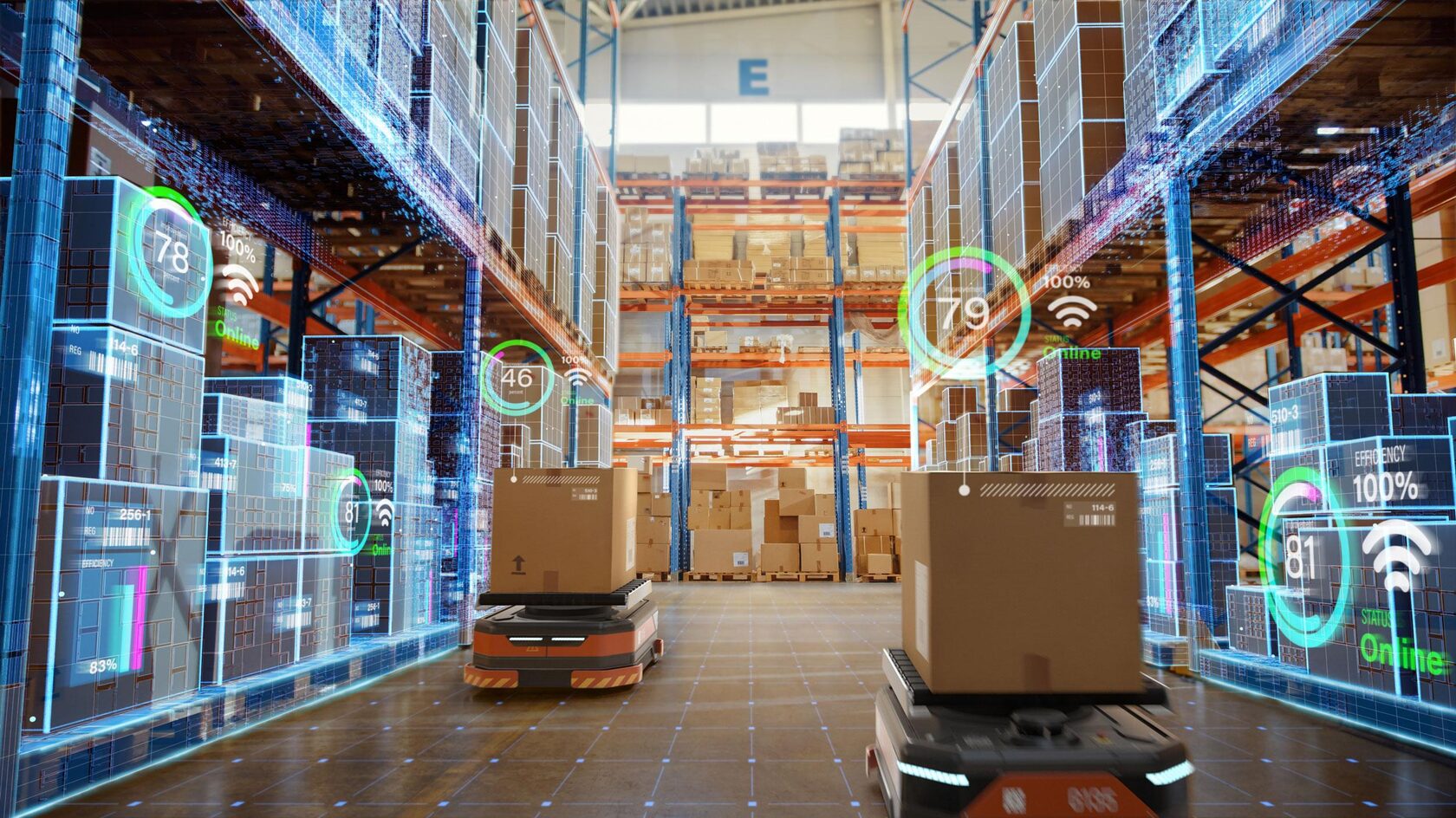
RFID systems integration across Kazakhstan
We design read zones, select tags and hardware, build software and deliver business events to 1C, ERP or WMS. The solution is validated on actual objects before rollout.
Technology in brief
UHF RFID is radio-frequency identification in the ultra-high-frequency band. A passive tag receives energy from a reader and transmits a unique identifier without requiring line of sight.
Business value comes from the complete system: antennas create a controlled read zone, software cleans the stream of reads and produces a business event such as receiving, transfer, inventory or vehicle entry.
Choose a process where bulk identification or automatic event capture removes a measurable manual operation.
A project is not a single reader. Every layer affects the quality of the final accounting event.
Selected for the surface, contents, attachment method and operating environment.
Fixed, desktop or handheld devices chosen for the operation and required interfaces.
Shape the read zone and help separate the target operation from neighboring tags.
Filters duplicates, links EPC values to objects, stores events and presents exceptions.
Exchanges directories, documents and statuses with 1C, WMS, ERP or another system.
The technology follows the process; RFID is not automatically the best option for every operation.
Bulk reading at a distance for warehouses, assets, vehicles and production flows.
Short-range interaction where deliberate one-by-one presentation is useful.
Low-cost visual identification when individual scanning is acceptable.
Describe the operation, accounting source, objects, movement and exception cases.
Compare several candidates on actual surfaces and under the intended mounting method.
Configure one representative point and agree measurable acceptance criteria.
Transform reads into business events and exchange them with the corporate system.
Scale the proven configuration while accounting for differences between zones.
Testing these factors before a production order reduces the risk of an unsuitable specification.
Use on-metal tag constructions and validate the mounting position.
Check packaging, tag placement and antenna geometry on the actual goods.
Tune power, antennas and event logic so adjacent tags do not create false operations.
Compare item-level tagging with container, pallet or asset-level identification.
The budget depends on the process and number of controlled operations, not only on the reader model.
Tag type, batch size, printing, encoding and application.
Readers, antennas, mounting, power, network and protection.
Event model, operator interface, API and accounting-system changes.
Testing, documentation, training, monitoring and maintenance.
It depends on the tag, antenna, power, asset surface and environment. A catalog value does not replace a test on the actual object.
Line of sight is not required, but the contents affect the RF signal. Metal and liquids require separate validation.
Yes, with suitable on-metal tags and a tested mounting position. A standard label is generally unsuitable when placed directly on metal.
No. A barcode can remain as a visual and fallback identifier while RFID supports bulk operations.
Yes. The exchange can cover directories, receiving, transfers, shipping or inventory, depending on the configuration and process.
Start with one operation, a tag comparison and a limited pilot zone with acceptance criteria agreed in advance.
Next step
Describe the tracked objects, surfaces, one control point and the accounting system. We will identify the data needed for a preliminary configuration or pilot.
