Validation before purchase
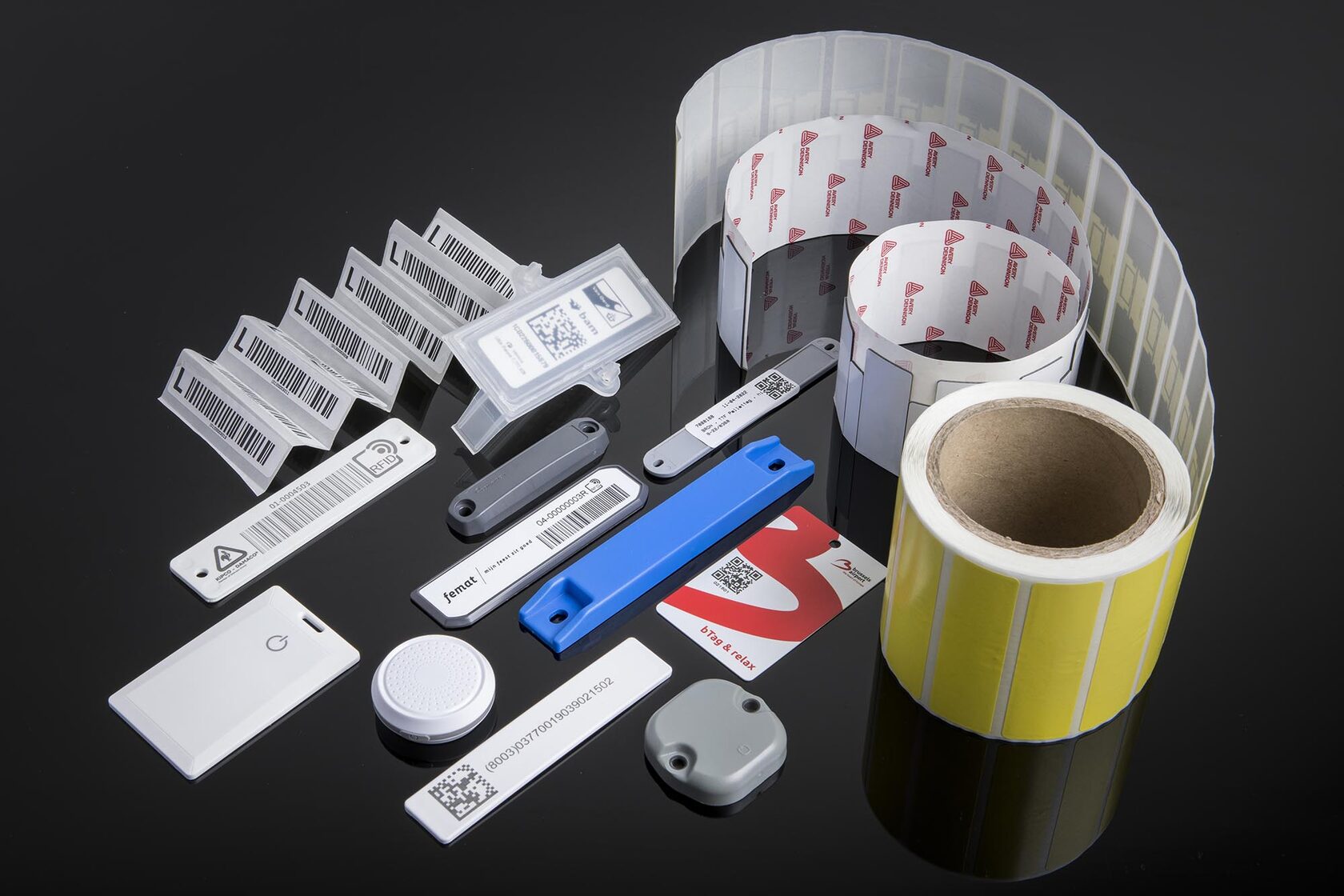
RFID laboratory: test tags before purchasing
We test RFID tags, readers and placement on your products and surfaces. The result is documented in a protocol covering test conditions, measurements, the selected configuration and the recommended next step.
Engineering validation
A catalog cannot show how a tag behaves on your object
Performance is affected by material, shape, metal, liquids, attachment method, orientation and packing density. We therefore compare several candidates on actual samples before a production order.
Tests follow an agreed plan. The report records the initial conditions and measurements so the result can be reproduced and reviewed.
Who it is for
When a laboratory test protects the project budget
It is useful where a selection error would become visible only after a tag order or hardware installation.
- Products and packaging containing metal, liquids or complex geometry.
- Tools, equipment and fixed assets with different surfaces.
- Pallets, containers and returnable packaging intended for bulk reading.
- Textiles, workwear and products with special operating conditions.
- Projects that need to compare several tags or readers before a site pilot.
Scope of work
What we test in the RFID laboratory
The test plan follows the task. Each step answers a separate engineering question.
Request and samples
Record the object, material, operating method, proposed zone and expected result.
Test plan
Agree candidates, scenarios, conditions, repetitions and the way results will be recorded.
Tag test
Check placement, orientation, range, density and the effect of nearby objects.
Hardware test
Compare reader and antenna configurations when the task depends on read-zone geometry.
Protocol and decision
Provide a result table, configuration photos and a recommendation for the next step.
Scenarios
What can be validated
The test is built around the actual object and future operation, not a demonstration stand.
Result
What the customer receives
The output can support a technical specification, pilot or procurement specification.
Description of samples and test conditions.
List of tested tags and configurations.
Result table for each scenario.
Photos of tag and hardware placement.
Recommended configuration and conditions of use.
Decision: proceed to a pilot, modify the test or remove the scenario.
FAQ
RFID testing questions
What samples are required?
Typical goods, packaging, material fragments or actual objects on which the tag will be attached. We agree the exact list before transfer.
Can you test metal and liquids?
Yes. They require special tags and placement options. The result depends on the actual geometry and is validated on a sample.
Can you compare several manufacturers?
Yes, when suitable samples are available. The protocol records identical comparison conditions.
Does a laboratory test replace a pilot?
It resolves tag selection and the basic configuration. A site pilot confirms the complete operation, staff workflow and integration.
Next step
Send a photo and a description of the object
Specify the material, dimensions, operating environment and proposed range. We will return with a sample list and a test plan.
